

In today's digital landscape, the threat of cyberattacks looms larger than ever, making online security a top priority for internet users worldwide. With hackers employing increasingly sophisticated methods to steal personal information, many individuals are turning to Virtual Private Networks, or VPNs, as a means of protecting their sensitive data. But just how effective are VPNs in fortifying your internet connection against these cyber threats?
Understanding the relationship between VPNs and online security is crucial. A VPN can encrypt your internet traffic, disguising your online activities from prying eyes, whether they be hackers on public WiFi or malicious entities seeking to exploit vulnerabilities in your personal devices. This article will explore how VPNs work, the extent of their protective capabilities against hackers, and why they matter for anyone looking to enhance their online privacy and security.
What is a VPN?
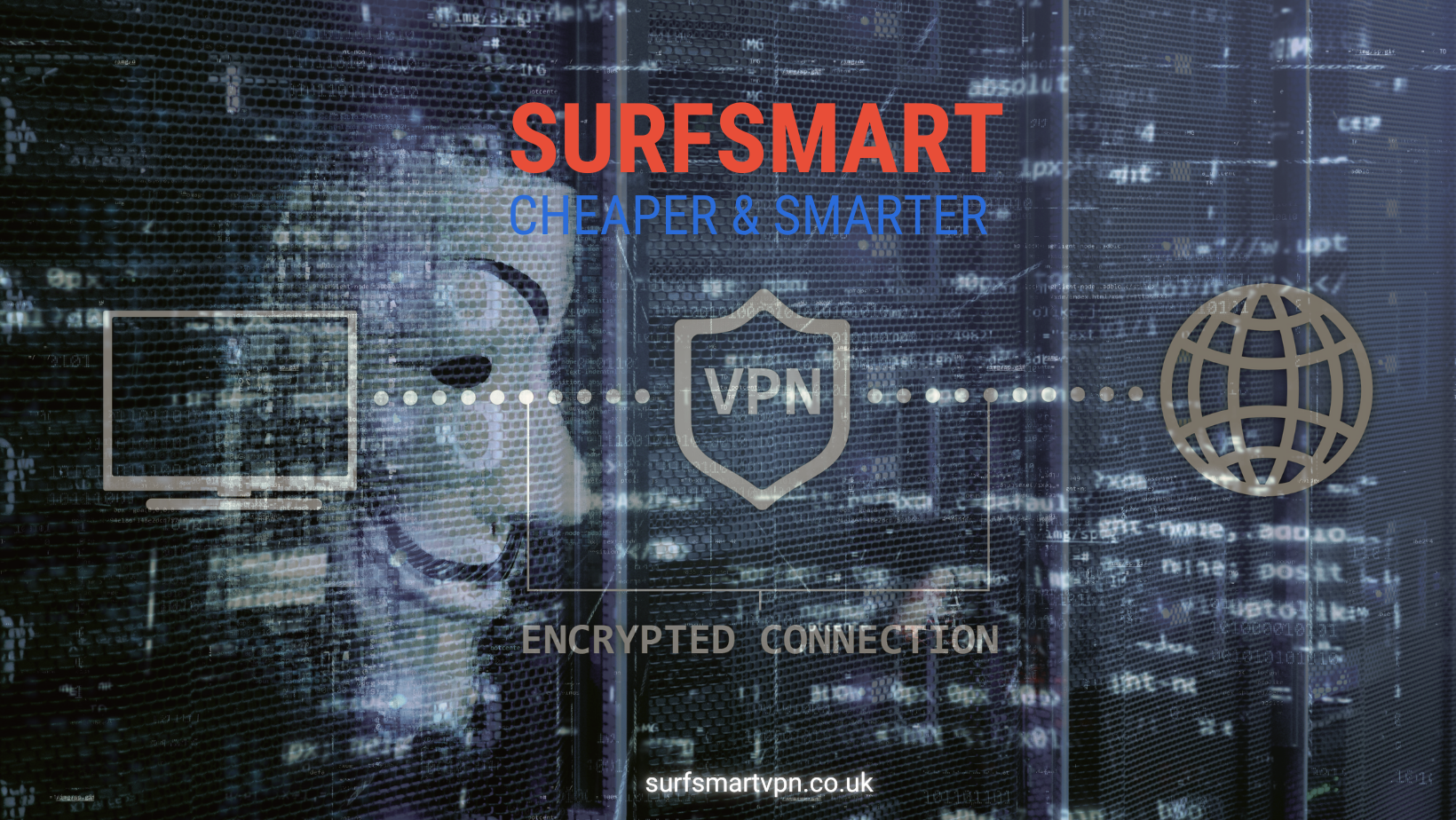
A Virtual Private Network, commonly known as a VPN, is a service that creates a secure connection over the internet between your device and a remote server. This connection encrypts your data, making it difficult for hackers or third parties to intercept and access your information. By using a VPN, your online activity appears to originate from the VPN server rather than your actual device, enhancing your privacy.
VPNs are widely used to protect users from various cyber threats, particularly when they connect to public Wi-Fi networks. Public networks are often less secure, making it easier for hackers to gain access to your personal information. With a VPN, your data is shielded by strong encryption protocols, which adds an extra layer of security against potential attacks.
In addition to providing security, VPNs also help users bypass geographical restrictions and access content that may be blocked in their region. This capability is particularly beneficial for those who want to stream media, access websites, or use services that are unavailable in certain countries. Overall, VPNs serve as essential tools for anyone looking to enhance their online security and maintain their privacy.
How VPNs Work
A Virtual Private Network, or VPN, creates a secure tunnel between your device and the internet, ensuring that your online activities remain private and protected. When you connect to a VPN, it redirects your internet traffic through a server operated by the VPN provider. This means that your original IP address is masked, and instead, the IP address of the VPN server is displayed to the outside world, helping to obscure your online identity.
In addition to hiding your IP address, VPNs use strong encryption protocols to protect the data transmitted between your device and the VPN server. This encryption transforms your data into a code that is unreadable to anyone who might intercept it. As a result, even if hackers attempt to intercept your internet traffic, they will find it nearly impossible to decipher the information without the encryption key, which is securely held by the VPN service.
Moreover, VPNs help prevent eavesdropping, especially on public WiFi networks, which are often targeted by cybercriminals looking to steal personal information. By encrypting your connection, a VPN significantly reduces the risk of data breaches. As you browse, stream, or communicate online, your sensitive information, such as passwords and financial details, stays secure from potential hackers lurking on the same network.
VPNs and Data Encryption
Data encryption is a vital feature of VPN technology that plays a crucial role in protecting your online activities from prying eyes. When you connect to a VPN, your internet traffic is routed through a secure tunnel created by the VPN server. This tunnel encrypts your data, converting it into unreadable code that can only be deciphered by the intended recipient. This process effectively prevents hackers, snoopers, and even your Internet Service Provider from accessing your sensitive information while you browse the web.
Encryption protocols used by VPNs vary in strength and effectiveness, but most reputable providers offer high levels of security, such as OpenVPN and WireGuard. These protocols ensure that even if a hacker manages to intercept your data, they would be met with a garbled, indecipherable stream of characters. This level of encryption acts as a formidable barrier against cyberattacks, safeguarding your personal information, online transactions, and private communications.
In addition to protecting your data during transit, VPN encryption provides an additional layer of anonymity. By masking your IP address, it becomes difficult for hackers to trace your online activities back to you. This not only keeps your information secure but also prevents targeted attacks that often rely on knowing your online identity. Overall, the significance of strong encryption cannot be overstated when it comes to defending against cyber threats in our increasingly digital world.
Protection Against Hackers
Using a VPN can significantly enhance your protection against hackers. By encrypting your internet connection, a VPN creates a secure tunnel between your device and the internet, making it much more difficult for hackers to intercept your data. This encryption shields your sensitive information, such as passwords and personal details, from prying eyes, especially on unsecured networks like public WiFi.
Moreover, a VPN helps mask your IP address, which adds an additional layer of anonymity. Hackers often exploit exposed IP addresses to target individuals directly. By concealing this information, a VPN reduces your visibility to potential attackers, decreasing the chances of being targeted for cyberattacks. Consequently, even if hackers are looking for vulnerable users, your digital footprint becomes less noticeable.
Finally, while a VPN is not a complete safeguard against all forms of hacking, it serves as a powerful tool in your defense strategy. It reduces the risk of data theft and unauthorized access to your devices. Coupled with good security practices, such as using strong passwords and keeping software up to date, a VPN can significantly mitigate the risks associated with hacking attempts.
Limitations of VPNs
While VPNs provide a significant layer of protection against hackers, they are not a foolproof solution. One of the primary limitations is that a VPN cannot protect against all forms of phishing attacks. Hackers often use social engineering tactics to deceive users into providing personal information or credentials. If a user unknowingly connects to a malicious website or downloads malware, a VPN cannot prevent these actions, as it cannot interpret or filter the content accessed.
Another important limitation is that not all VPNs are created equal. Some providers may have weak encryption protocols or might log user data, which can ultimately compromise security. Users must do their research to choose a reputable VPN service that prioritizes privacy and employs strong encryption. Even with a secure VPN, if a user's device is already infected with malware, hackers may still access sensitive information regardless of the protection a VPN offers.
Furthermore, a VPN does not guarantee complete anonymity online. While it masks the user's IP address and encrypts internet traffic, other forms of tracking, such as browser cookies and digital fingerprinting, can still reveal user behavior and preferences. Therefore, it is essential to combine VPN usage with other privacy practices, such as using secure browsers and avoiding public WiFi for sensitive transactions, to enhance overall online security against hackers.
Choosing the Right VPN
Selecting the right VPN is crucial for ensuring maximum protection against hackers. With a multitude of options available, users should prioritize VPNs that offer robust security features. Look for providers that utilize strong encryption protocols, such as OpenVPN or WireGuard, which help secure your internet traffic from prying eyes. Additionally, assess the level of privacy that the VPN guarantees, including features like a no-logs policy that prevents the storage of your browsing data.
Performance is another important factor when choosing a VPN. A good VPN should provide high-speed connections without significant slowdowns. Evaluate customer reviews and independent performance tests to find a service that maintains fast speeds while connected. Latency and bandwidth can be affected by the distance between you and the VPN server, so consider a provider with multiple servers across various locations to enhance your experience.
Finally, consider the compatibility of the VPN with your devices. Ensure the VPN supports all the devices you use, including smartphones, tablets, and laptops. A user-friendly interface and reliable customer support are also essential, especially for those new to VPN technology. By choosing a reputable provider that meets these criteria, you can significantly bolster your defense against potential hacking attempts and enhance your overall online security.
VPNs and Privacy
VPNs play a crucial role in enhancing your online privacy by encrypting your internet connection. This encryption ensures that your data is transformed into an unreadable format while in transit, making it nearly impossible for hackers to intercept and access your personal information. By masking your IP address and routing your internet traffic through a secure server, VPNs create a protective barrier against potential threats lurking on public or insecure networks.
Moreover, when you connect to a VPN, your online activities become much more private. This means that third parties, including advertisers and cybercriminals, cannot easily track your browsing habits or gather personal information. does VPN protect against hackers of anonymity is especially important in today's digital landscape, where data breaches and identity theft are prevalent. A reputable VPN provider will also have strict no-logs policies, ensuring that your internet activity is not recorded or sold to other parties.
Using a VPN is especially beneficial when accessing public WiFi networks, which are notoriously insecure. Hackers often exploit these connections to intercept sensitive information. By using a VPN, you significantly reduce the risk of your data being compromised, allowing you to browse freely without the constant worry of potential hacking attempts. Thus, integrating a VPN into your internet usage is a strategic move to fortify your privacy and safeguard your personal information against cyber threats.
VPNs in Public Wi-Fi
Public Wi-Fi networks are notoriously insecure, making them prime targets for hackers looking to intercept sensitive information. When you connect to a public Wi-Fi network, your data is exposed to anyone with the right tools, putting your personal information at risk. This is where a Virtual Private Network (VPN) becomes essential, as it creates a secure tunnel for your internet traffic, encrypting your data and making it nearly impossible for hackers to decipher.
Using a VPN on public Wi-Fi significantly enhances your online security. By encrypting your internet connection, a VPN masks your IP address and protects your data from being intercepted by malicious actors. This means that even if hackers manage to access the network, they will only see encrypted data that cannot be easily accessed or read. This layer of protection is crucial, especially when you are handling sensitive transactions or accessing personal accounts.
Moreover, a VPN also helps in maintaining your privacy on public networks. By routing your internet traffic through a secure server, it not only protects your data from hackers but also hides your online activities from prying eyes. This way, you can browse the internet with greater confidence, knowing that your personal information and browsing habits are shielded from potential threats. A reputable VPN is invaluable when using public Wi-Fi, turning an insecure connection into a more secure and private experience.
Legal Implications of Using VPNs
The legal landscape surrounding VPN use can vary significantly from one jurisdiction to another. In many countries, using a VPN is perfectly legal, provided that the user engages in lawful activities while connected. However, some countries impose strict regulations or outright bans on VPN usage, particularly when it comes to accessing restricted content or evading government surveillance. It is essential for users to be aware of their local laws regarding VPNs to avoid potential legal consequences.
Moreover, the terms of service of many VPN providers include clauses addressing legal compliance. Users must ensure they are not violating these terms by engaging in illegal activities while using the service. Misuse of a VPN for illicit purposes, such as copyright infringement or cybercrime, could lead to legal action not only against the user but potentially against the VPN provider as well. Therefore, it is crucial to choose a reputable VPN provider and understand the responsibilities that come with its use.
Lastly, there are implications tied to data retention and privacy policies. Some countries have laws requiring VPN providers to keep logs of user activity, which may compromise user anonymity. Users should ascertain the logging policies of their chosen VPN service, as this can impact the effectiveness of the VPN in protecting personal information from hackers and other malicious entities. Understanding these legal aspects ensures that individuals can make informed decisions about their online security while utilizing VPN services.
Future of VPN Technology
As the landscape of cybersecurity continues to evolve, so too will VPN technology. With increasing threats from hackers and cybercriminals, VPN providers are likely to adopt more advanced encryption protocols and security measures to ensure user data remains safe. Future developments may include the integration of artificial intelligence to enhance threat detection and response times, providing users with an even safer online experience.
In addition to improved security features, there will likely be a focus on user privacy enhancements. More VPN services may adopt a zero-log policy, ensuring that they do not keep records of user activity. This shift will cater to growing consumer demand for privacy in a world where data breaches and surveillance are common. Furthermore, the rising trend of decentralized VPNs could provide an alternative to traditional models, potentially reducing reliance on centralized servers and increasing anonymity.
With the proliferation of Internet of Things devices, VPN technology will need to adapt to secure not just personal computers and smartphones, but a wider array of devices. This evolution may lead to the development of specialized VPN solutions that protect connected home devices and enable secure remote work environments. As cyber threats become more sophisticated, the future of VPN technology will be shaped by the need for robust, user-friendly solutions that prioritize security and privacy for all users.